
Why Canada Needs a Construction KPI Framework for Housing Investments

DASH Year In Review
January 21, 2026Why Canada’s Housing Plan Needs a Performance Framework
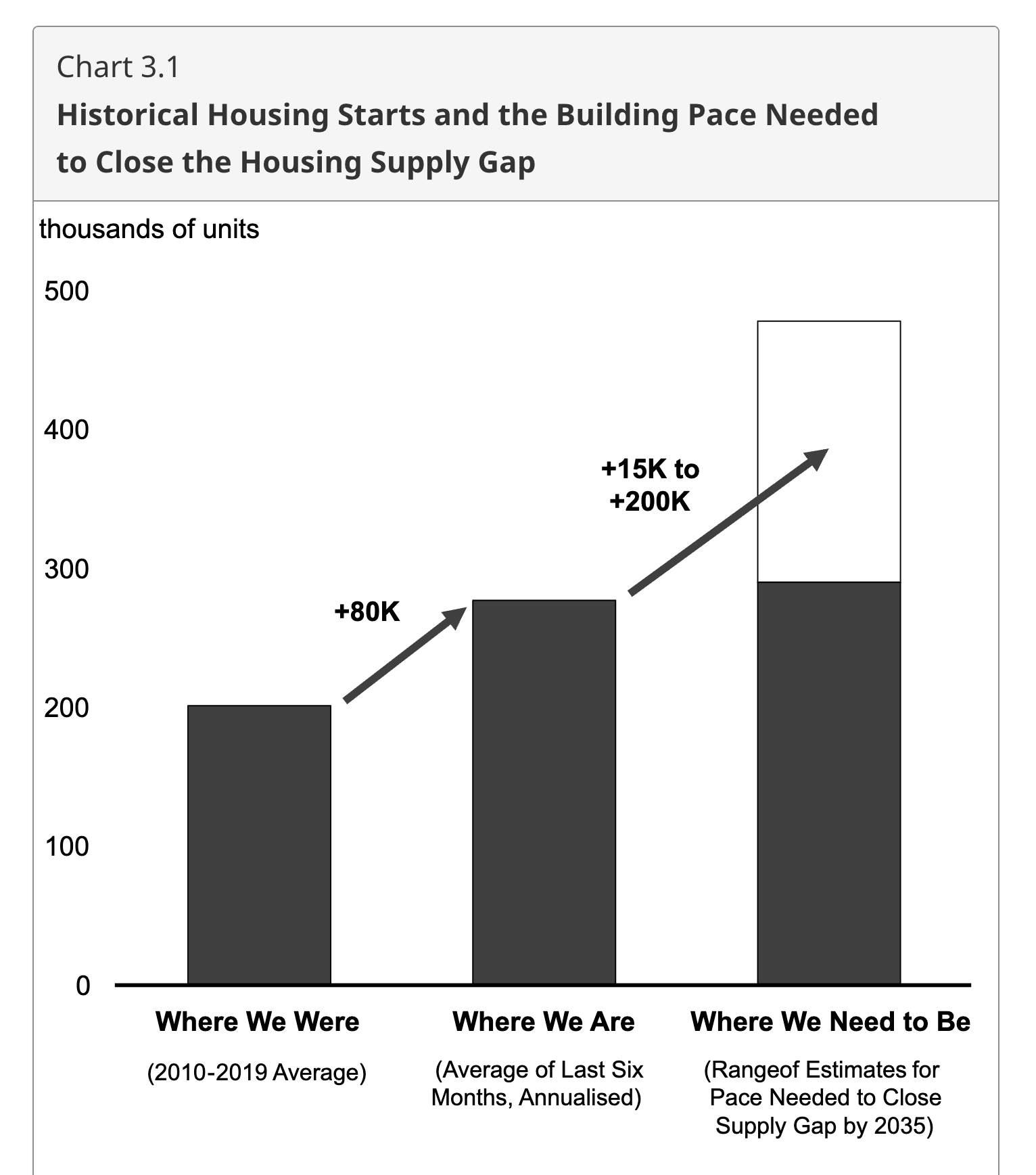
The federal government’s Budget 2025 includes a commitment of $13 billion through the Build Canada Homes program to help double the country’s housing output. It is a significant and welcome step. At the same time, it highlights a challenge that Canada has not yet resolved: the need for a shared performance measurement framework for understanding how housing is delivered today.
Canada currently lacks a unified set of performance metrics for construction and housing delivery. Different jurisdictions capture various forms of data. Developers, municipalities, and builders rely on their own internal systems. As a result, national decision-makers do not have a consistent view of cycle times, productivity levels, permitting durations, rework rates, or the performance of emerging building methods such as prefabrication and modular construction. Statistics Canada reports annual counts of housing starts and completions, but not the detailed project-level performance indicators needed for continuous improvement or for evaluating new delivery models.
If Canada is preparing to invest at this scale, it is reasonable to expect a measurement system that helps determine whether these investments are working and where adjustments may be needed. A shared key performance indicator (KPI) framework is not a technical exercise; it is a governance tool that supports predictable, transparent planning and a more coordinated approach to solving the housing shortage.
Building on Earlier Work: The VRCA’s 2018 Construction KPI Framework
This conversation is not new. In 2018, the Vancouver Regional Construction Association (VRCA) published a Construction Industry KPI Framework developed by Scius Advisory. It proposed a structured set of indicators across time, cost, quality, client satisfaction, business performance, and health and safety. The purpose was simple: create a common language to help the industry measure project performance in consistent ways.
The framework anticipated many of the questions policymakers are now asking. It described how predictable schedules, accurate cost baselines, and clear quality indicators could help organizations learn from one project to the next. It also recognized that measurement must work across the entire supply chain, not only within individual firms.
The work undertaken in 2018 shows a forward-looking perspective that now offers a valuable foundation for an industry in the national spotlight and integral to our plan to shoulder Canada’s housing crisis. Canada’s ambitions make this a timely moment to revisit and evolve the approach.
Why Measurement Matters When Innovation Is Expected to Play a Larger Role
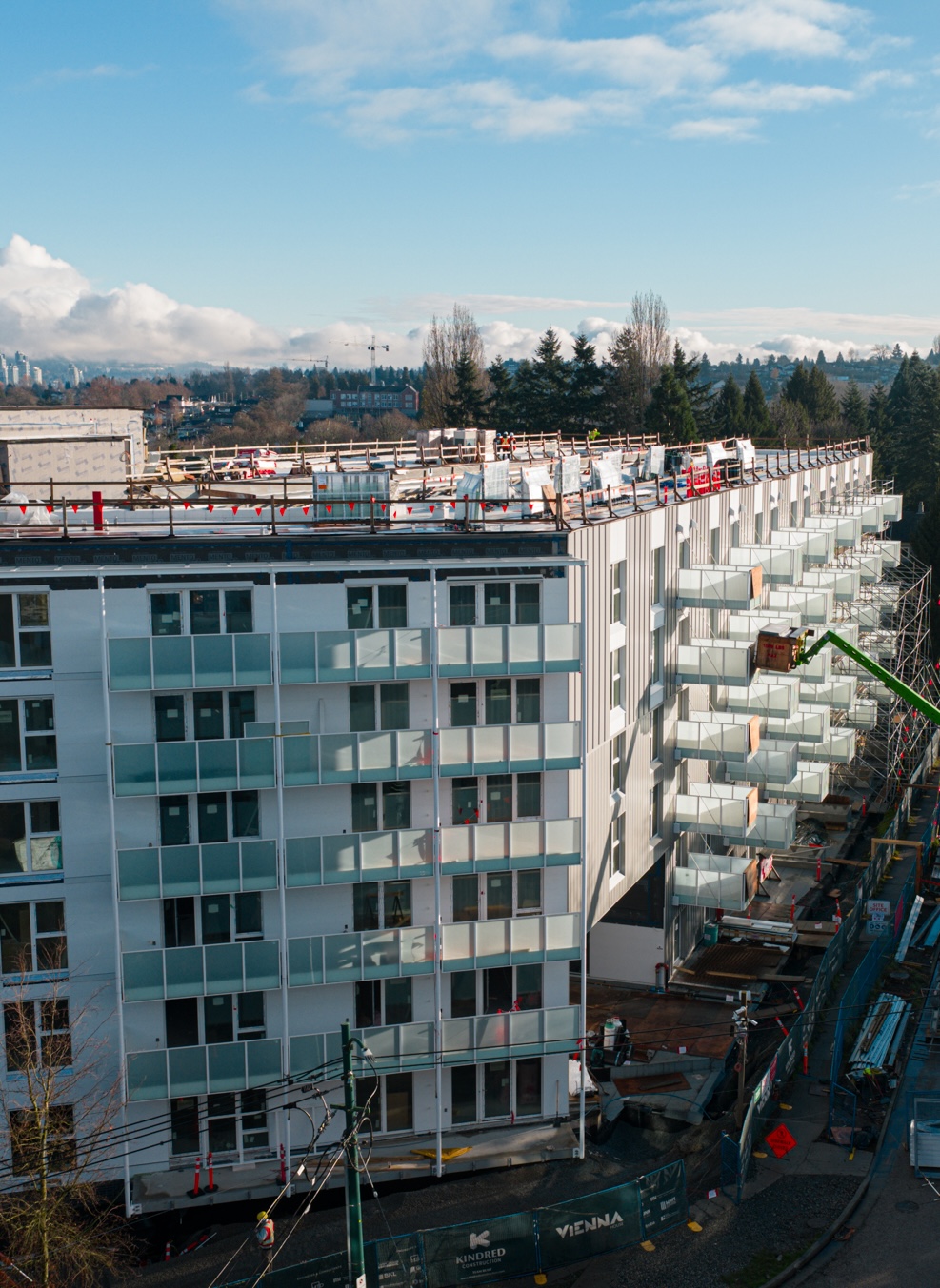
Canada is increasingly looking toward prefabrication and modular construction to accelerate housing delivery. International research shows that these methods can reduce on-site construction time, improve quality consistency, and increase predictability when supported by the right processes and data systems.
However, without consistent KPIs, it is difficult to determine where these benefits are being realized, under what conditions, or to what degree. Public discussions about innovation often assume improvements will materialize on their own, but measurable progress depends on clear baselines and ongoing evaluation.
Three gaps are particularly relevant to policymakers:
- Canada does not have a consolidated understanding of how long typical housing projects take from permitting through occupancy, nor how much variation exists between regions and project types.
- Without baseline data, it is difficult to assess whether innovations such as prefab are improving delivery outcomes or simply shifting challenges to different stages of the project.
- Information systems across municipalities, developers, and builders are fragmented, which limits the ability to compare results or identify systemic bottlenecks.
A KPI framework would not eliminate these challenges, but it would provide a structure for understanding them and for measuring whether policy interventions are achieving their intended outcomes.
An Existing Example: The Prefab Construction Navigator
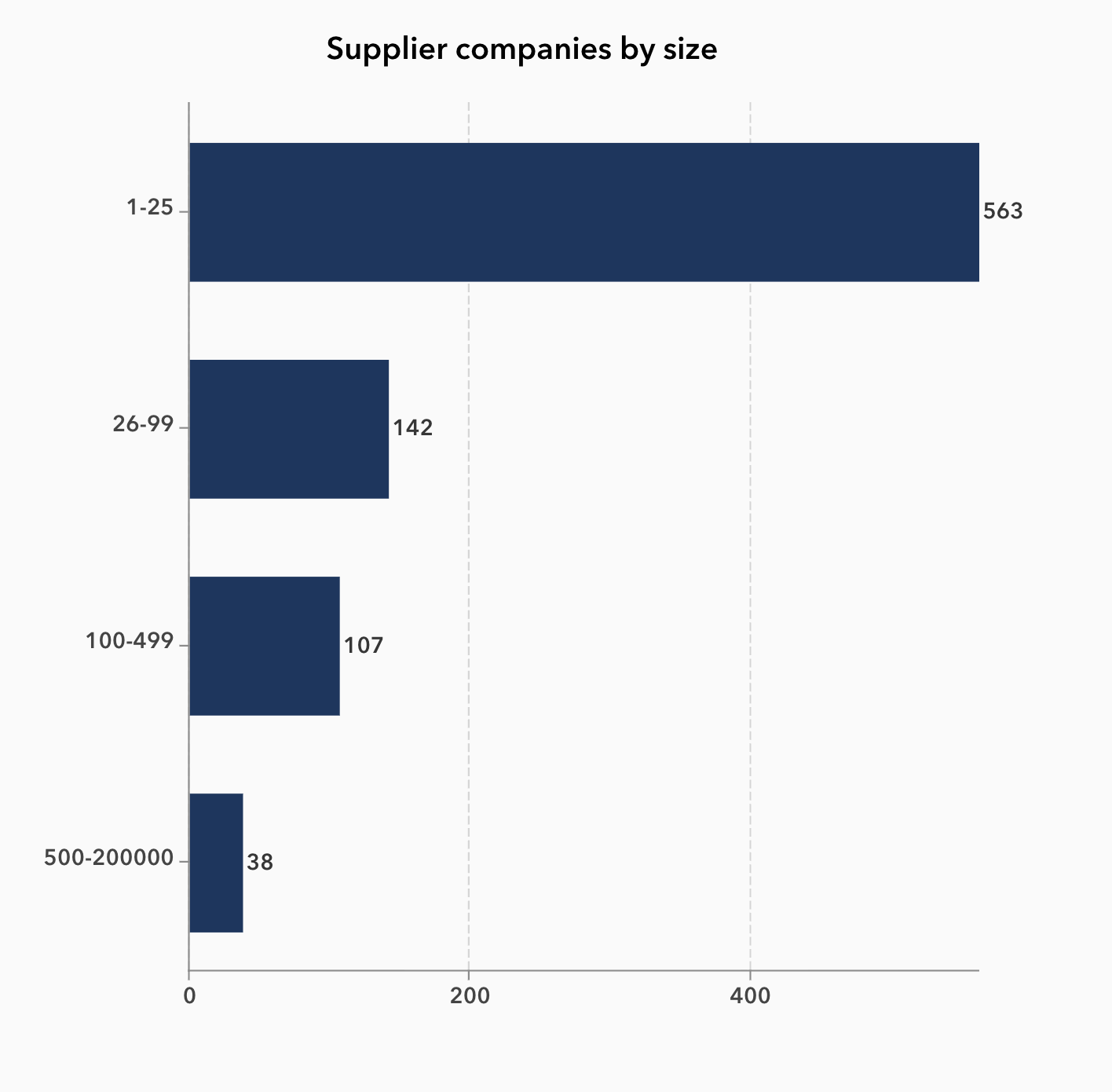
Scius Advisory’s Prefab Construction Navigator (version française) demonstrates what structured data visualization and standardization for the housing industry can look like in practice.
The Navigator organizes and visualizes data that was previously fragmented and scattered across the emerging prefab industry in Canada. It standardizes inputs from across all provinces and territories and presents results in a way that supports conversation around what is indeed Canada’s performance baseline when it comes to prefab and can inform policymakers, designers, and builders of the best ways to support its growth. It also highlights an important truth: when information is structured consistently, it becomes much easier to evaluate options and make decisions with confidence.
A national KPI framework for housing delivery would apply the same principle at a broader scale. It would bring coherence to the housing delivery system and give governments and the public the tools needed to track progress in a consistent, transparent way.
What a Modern KPI Framework for Housing Delivery Could Include
A refreshed KPI framework building on the 2018 work could focus on metrics most relevant to today’s housing goals. These might include:
Capacity and Output: Annual units delivered, throughput by construction method, and units produced per dollar invested.
Schedule Performance: Time from permit submission to occupancy, schedule reliability, and duration of permitting and approvals.
Cost and Productivity: Cost predictability, labour productivity, and rework or defect rates.
Quality and Post-Occupancy Performance: Volume and severity of quality issues, correction timelines, and post-occupancy performance indicators.
Innovation and Modern Methods of Construction: The measurable impact of prefab and modular methods on cost, schedule, and quality, and their adoption rates across jurisdictions.
These indicators would help federal and provincial governments identify where processes move smoothly, where delays cluster, and where innovation is yielding measurable returns.
A Path Forward
Canada’s ambition to dramatically increase housing output is achievable, but success depends on building the measurement infrastructure for the sector as a whole. Policymakers need visibility into what is working, what is improving, and where constraints persist. A shared KPI framework provides this visibility.
The work does not need to start from scratch. Earlier foundational research, including the 2018 construction KPI report, already provides structure and starting points. Tools like the Prefab Construction Navigator show how well-designed data practices can support practical decision-making. What is needed now is a coordinated effort to adapt and scale these approaches in a way that reflects today’s housing environment.
With a thoughtful measurement framework in place, Canada can ensure that public investment is matched with clear accountability, real learning, and steady progress toward the country’s housing goals.